Why Bold Activist Tees Are More Than Just Fashion Statements
@ub4z0gt1c5
Scroll through your Instagram feed for more than a minute, and you will see them. T-shirts carrying slogans about climate justice, voting rights, or police reform. They are no longer just concert merch or souvenirs from a vacation spot. They have become a shorthand for where you stand, a piece of fabric that signals your values before you say a word. And among the most powerful of these are bold activist tees, the kind that do not whisper their message.
I have been involved in grassroots organizing for over a decade, and I have watched the T-shirt evolve from a basic fundraiser item into a primary tool for public messaging. When I first started knocking on doors for a local housing campaign, our shirts were simple: a logo on the chest and a phone number on the back. They served a purpose, but they did not start conversations. Now, a well-designed shirt can stop someone on the street and make them ask, "What does that mean?" That shift is worth understanding.
The Roots of Wearing Your Politics
Wearing a political message is not new. Martin Luther King Jr. and other leaders of the civil rights movement understood the power of visible symbols. But the modern era of the message tee really took off in the 1970s and 80s, when screen printing became affordable for small shops. Bands used them, then skate brands, then streetwear labels like Supreme turned the graphic tee into a cultural artifact. Supreme, in particular, showed that a simple box logo could carry meaning far beyond the garment itself. It was not political, but it proved the T-shirt was a canvas worth fighting over.
By the time Occupy Wall Street filled Zuccotti Park in 2011, the protest T-shirt had become a staple of modern activism. The "We Are the 99%" sign was often paired with a shirt that said something similar. That movement also brought a new wave of DIY screen printing, with activists setting up presses in living rooms and basements. Etsy and Redbubble later made it possible for anyone to design and sell a shirt with a political message, no matter where they lived.
From Hashtag Activism to Real-World Presence
There is a lot of criticism about hashtag activism, and some of it is fair. A retweet is not the same as showing up to a city council meeting. But wearing a shirt in public is different. It is a deliberate act. You put it on, you walk out the door, and you accept that people will see it and react. That takes a kind of courage that a like button does not require.
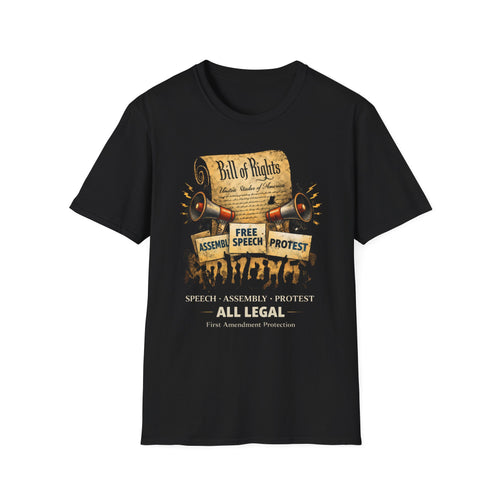
When Black Lives Matter protests swept the country in 2020, T-shirts carrying the names of George Floyd, Breonna Taylor, and others became a way for people to show solidarity in spaces where they could not march. I remember seeing a man in a small town in Ohio wearing a BLM shirt at a farmer's market. He was standing alone, but the shirt started conversations. People asked him where he got it, what it meant to him. That is the power of bold activist tees. They turn a private belief into a public invitation for dialogue.
What Makes a Design Work
Not every activist tee lands well. I have seen shirts that cram too many words onto the back, or use fonts that are impossible to read from more than three feet away. The best designs are simple. A single strong image, a short phrase, and a color palette that does not fight itself. Protest art has a long history of using bold graphics and limited text, from the posters of the 1960s to the stencils of Banksy. A T-shirt is just another medium for that same tradition.
Screen printing remains the gold standard for durability and color saturation. Digital printing has improved, but a well-made screen-printed shirt will outlast a dozen wash cycles without cracking. That matters because an activist tee is not a disposable piece of clothing. It is a tool you reach for again and again. I have a shirt from an ACLU fundraiser that I have worn to at least five different events. It still looks good, and it still starts conversations.
The Business of Activist Apparel
Companies have noticed the demand. Patagonia has long used its platform to advocate for environmental causes, and their T-shirts often carry messages about public lands or climate action. Nike has released shirts supporting social justice initiatives, though critics point out that the same company has faced labor rights controversies. Ralph Lauren has stayed mostly quiet on politics, but their classic polo has been adopted by activists who screen print their own messages onto it.
Then there is the independent scene. Etsy and Redbubble are full of designers who create activist tees for every cause imaginable, from racial justice to reproductive rights to disability access. The quality varies, but the passion is real. Many of these sellers are activists themselves, using the profits to fund their organizing work. Buying from them directly supports the movement, not just a corporate bottom line.
Beyonce has also used fashion as a political statement, most famously with her Formation World Tour merchandise and her support for Black-owned brands. When she wears a shirt with a message, it sells out within hours. That kind of influence can amplify a cause, but it can also turn activism into a trend. The challenge is keeping the message alive after the trend fades.
Style and Substance: They Are Not Opposites
One criticism I hear often is that wearing an activist tee is performative. That it is a way to signal virtue without doing the work. I understand the skepticism. I have seen people wear a shirt about climate justice while driving a gas-guzzling car. But I have also seen those same people show up to volunteer at a community garden the next weekend. The shirt is not the sum total of their activism. It is one part of a larger picture.
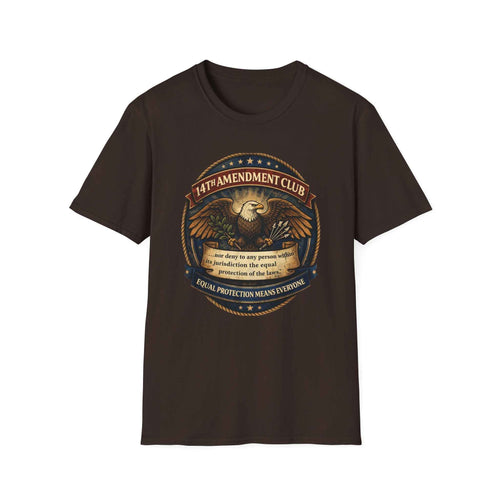
The truth is that fashion and activism have always been intertwined. The First Amendment protects your right to wear a message, and wearing it in public is a form of speech that does not require a platform or a permit. It is accessible. Anyone can buy a T-shirt. Anyone can put it on. That makes it one of the most democratic forms of protest art we have.
Some of the most effective activist tees are satirical. They use humor to point out hypocrisy or absurdity. A shirt that says "I Can't Breathe" with a gas mask graphic is not subtle, but it is hard to ignore. Satire has a long tradition in American protest, from the Boston Tea Party to the weekly cartoons in the local newspaper. Bold activist tees that use wit can reach people who might otherwise tune out a serious message.
Practical Advice for Choosing a Shirt
If you are looking to buy an activist tee, here are a few things to keep in mind:
- Check the printing method. Screen printing lasts longer than most direct-to-garment prints, especially if you wash the shirt inside out in cold water.
- Read the fine print on the tag. Some companies use organic cotton or fair labor certifications, which aligns with the values of many social justice movements.
- Think about the message. Is it specific enough to start a conversation, or is it so vague that no one will ask? A shirt that says "Love Is Love" is nice, but one that says "Protect Trans Kids" gives people something to discuss.
I have also learned that wearing an activist tee requires a certain tolerance for conflict. Someone will disagree with the message. Someone will yell at you in a parking lot. That has happened to me more than once. But it has also led to real conversations where I learned something new. The shirt is an opener, not the final word.
The Future of the Message Tee
As printing technology improves and more people look for ways to express their values through what they wear, the activist tee will only become more common. Instagram and other platforms make it easy to discover new designers and causes. But the real power of these shirts is not in the screen. It is in the real world, at the grocery store, at the library, at a protest march. It is in the moment when someone reads your shirt and says, "I did not know that was happening. Tell me more."
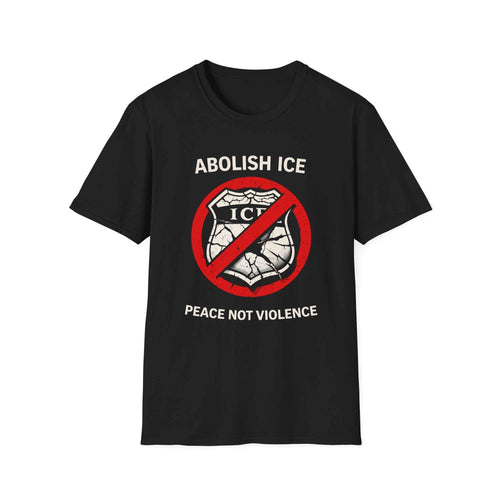
Amnesty International has used T-shirts in their campaigns for decades. They know that a shirt can be a tool for education. So does the ACLU, which has sold shirts that say "Before You Say Anything, Know Your Rights" in bold letters. These organizations understand that bold activist tees are not just merchandise. They are part of a larger strategy to make the invisible visible.
If you are designing your own shirt, remember that the best protest art comes from a place of clarity and conviction. You do not need to say everything. You just need to say something true. And then you need to put it on and go out into the world. That is where the real work happens.